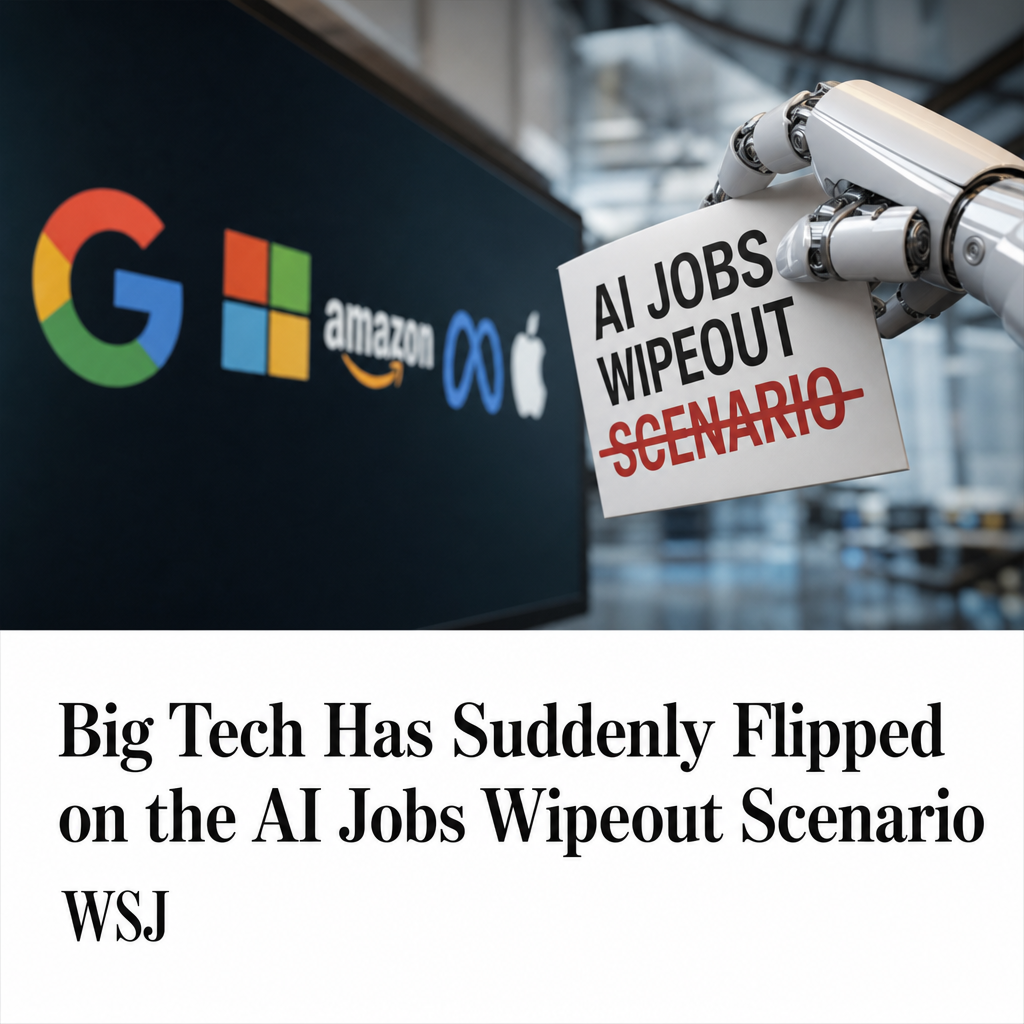
Big Tech’s Changing Stance on AI-Induced Job Loss: A Detailed Analysis
In a surprising twist, major technology companies are re-evaluating their previous concerns about AI’s impact on employment. Observers and industry insiders are keenly watching this evolution, noting a significant shift in narrative.
For years, AI was portrayed as both a marvel and a menace, with predictions of massive job losses as smart systems took over. Recent discussions, however, indicate that the tech giants are now reconsidering this job-wipeout scenario, suggesting a more nuanced future for AI in the workforce.

Historical Concerns About AI and Employment
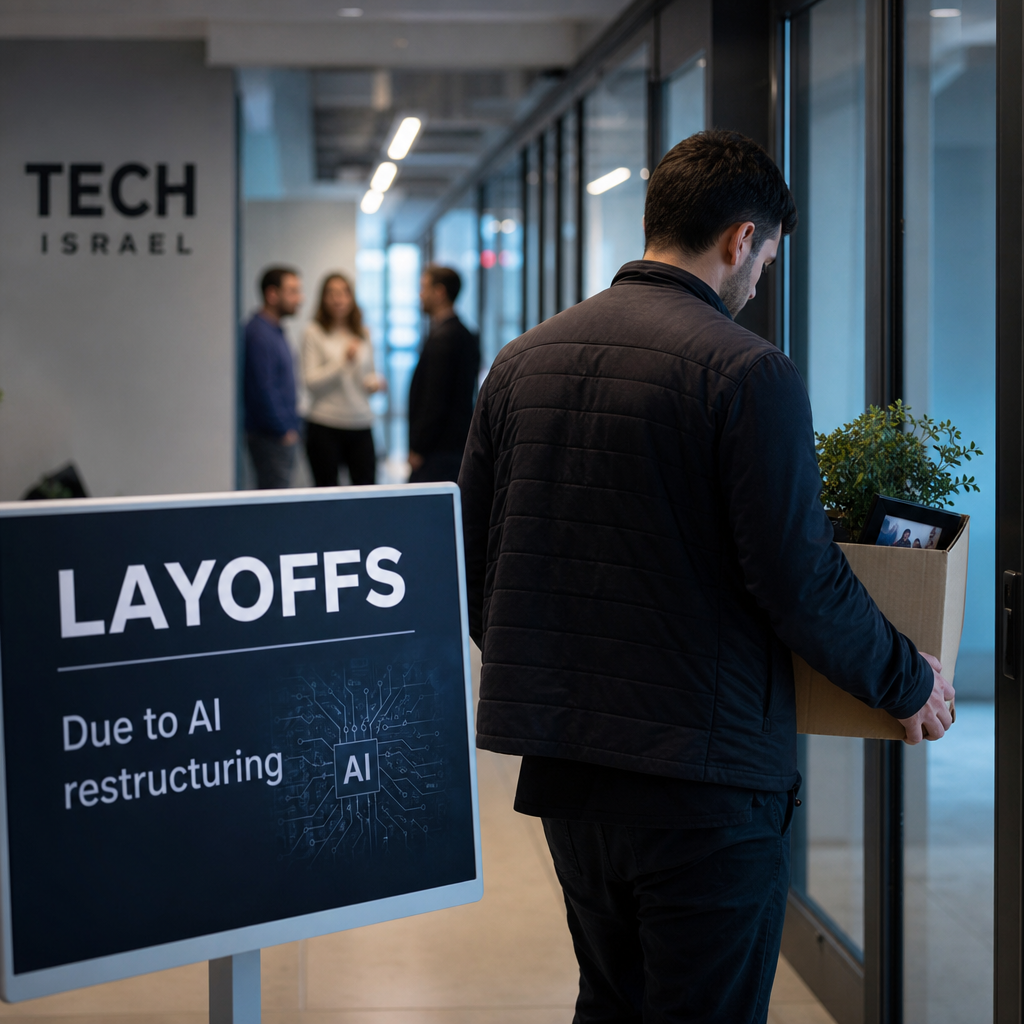
The dialogue around AI and jobs has long been fraught with anxiety. Early projections suggested that many roles, from manufacturing to service jobs, would be at risk.
Fears were fueled by AI’s rapid advancements, sparking debates in boardrooms and academic circles alike. The potential for large-scale unemployment loomed, as technology seemed destined to replace human labor.
The Initial Response from Tech Companies
Initially, major firms acknowledged these risks, often emphasizing the potential for AI to disrupt traditional employment.
These companies invested heavily in AI research, while also supporting initiatives to reskill workers. However, the focus was primarily on mitigating an inevitable impact, rather than preventing it.
- 2018: Alphabet’s Google emphasizes ethical AI development
- 2019: Amazon launches skills training for its employees
- 2020: Microsoft promotes AI literacy programs
The Turning of the Tide: A New Perspective
Recently, tech giants have started to pivot their views, seeing AI not just as a replacement but as a complement to human workers.
Leaders now discuss AI’s potential to enhance jobs, creating new roles that require synergy between human intuition and machine efficiency.
- Enhanced Efficiency: AI augments human capabilities, increasing productivity.
- Creation of New Roles: Emerging sectors demand expertise that merges tech and human skills.
Examples of AI Complementing Human Labor
Several industries showcase AI’s role in transforming jobs, rather than eliminating them.
In healthcare, AI-assisted diagnostics empower doctors to provide faster, more accurate patient care.
| Industry | Job Transformation | AI’s Role |
|---|---|---|
| Healthcare | AI-assisted diagnostics | Faster, accurate care |
| Retail | Personalized shopping experiences | Data-driven insights |
| Finance | Risk management | Predictive analytics |
Navigating the New AI Frontier
Big Tech’s nuanced approach to AI and jobs highlights the importance of balanced development and policy-making.
Future success will depend on collaboration between companies, governments, and educational institutions to harness AI’s potential responsibly.
The Path Forward: Embracing Change
To truly leverage AI’s capabilities, society must remain adaptable, fostering a culture of continuous learning and innovation.
This approach ensures that AI acts as an enabler, supporting a more dynamic, resilient workforce for the years to come.