Navigating the AI Layoffs Crisis: Uncharted Waters for Israeli Tech Companies
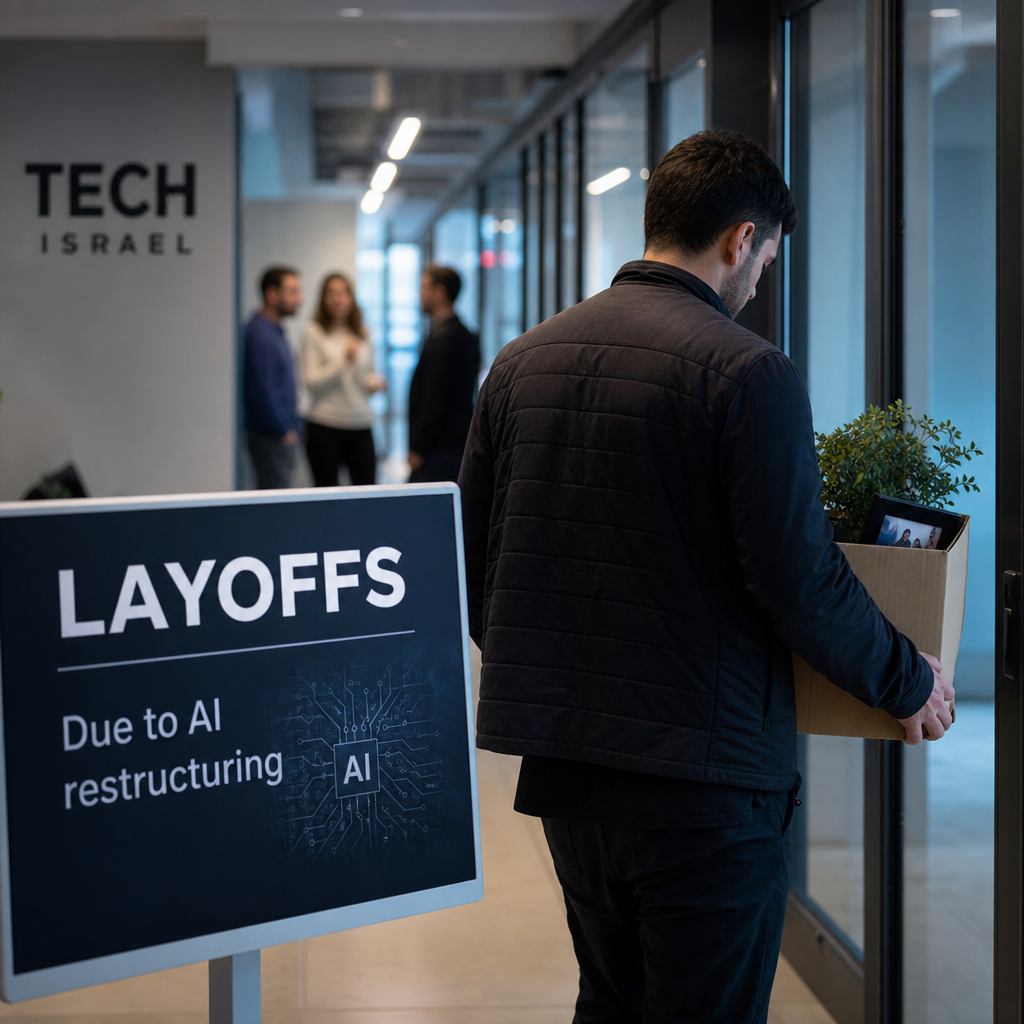
The landscape of technology is ever-evolving, with innovations and disruptions being a constant across the globe. Yet, amid these rapid advancements, an unsettling trend has surfaced within the Israeli tech industry: AI layoffs. As digital transformation drives global growth, why are some tech companies betting against the curve?
The soul of Israel’s burgeoning tech sector thrums with the rhythm of AI innovations. Yet, the recent layoffs signify a discordant note that echoes throughout the industry, hinting at deeper systemic issues and economic strains. So, what has led us here, and what does the future hold for this renowned hub of intelligence?

The Rise and Stumble of AI in the Israeli Tech Landscape
Israel, often dubbed the ‘Startup Nation’, owes its moniker to its robust tech sector. This stronghold is largely attributed to its prowess in artificial intelligence. Companies have been at the forefront, pioneering breakthroughs in machine learning, cybersecurity, and more. However, the narrative around AI jobs is shifting rapidly.
An increasing number of firms are finding themselves in precarious positions. Amid global challenges and market contractions, the AI domain isn’t immune to the squeeze. But why has this particularly resilient sector started to shake?
Navigating Economic Strains
The global software sector has seen a slowing down due to various economic factors. The AI niche, while sophisticated and promising, is heavily impacted by global events like supply chain disruptions and changing political climates. As these influencers trickle down, Israeli companies face the pressure to resize and pivot.
- Impact of COVID-19: The pandemic accelerated digital demand but also created unpredictability.
- Global Competition: Increased competition means higher stakes and slimmer margins.
- Investor Cautiousness: Significant capital tightening among investors results in harsh reevaluations.
Coping Strategies in Uncertain Times
Despite the challenges, many companies are seeking to stabilize their AI ventures and weather the storm. Cautious optimists believe that reinventing business models could aid in buoying against the tide.
Adopting New Market Strategies
Firms are now exploring diversification. By branching into emerging tech sectors like green technology or health-tech, companies hope to build resilience.
- Collaboration Initiatives: Forming alliances with global entities to share resources and risks.
- Pivoting Services: Adapting AI applications to non-traditional sectors may find untapped revenues.
Seeing the Silver Lining: Innovation in the Eye of the Storm
Layoffs, while unfortunate, can provide an unexpected catalyst for innovation. The void left by AI division cuts may create room for new talent and fresh ideas. Israeli tech firms might find that these challenges breed a new era of creative solutions and technology-driven socio-economic advances.
| Factor | Impact on AI Jobs |
|---|---|
| Global Competitiveness | Reduction in role redundancy, increased need for specialization |
| Investor Sentiment | Fluctuating job security, funding reallocation towards efficient projects |
| Technological Evolution | Higher demand for cutting-edge skillsets, pressure on continuous learning |