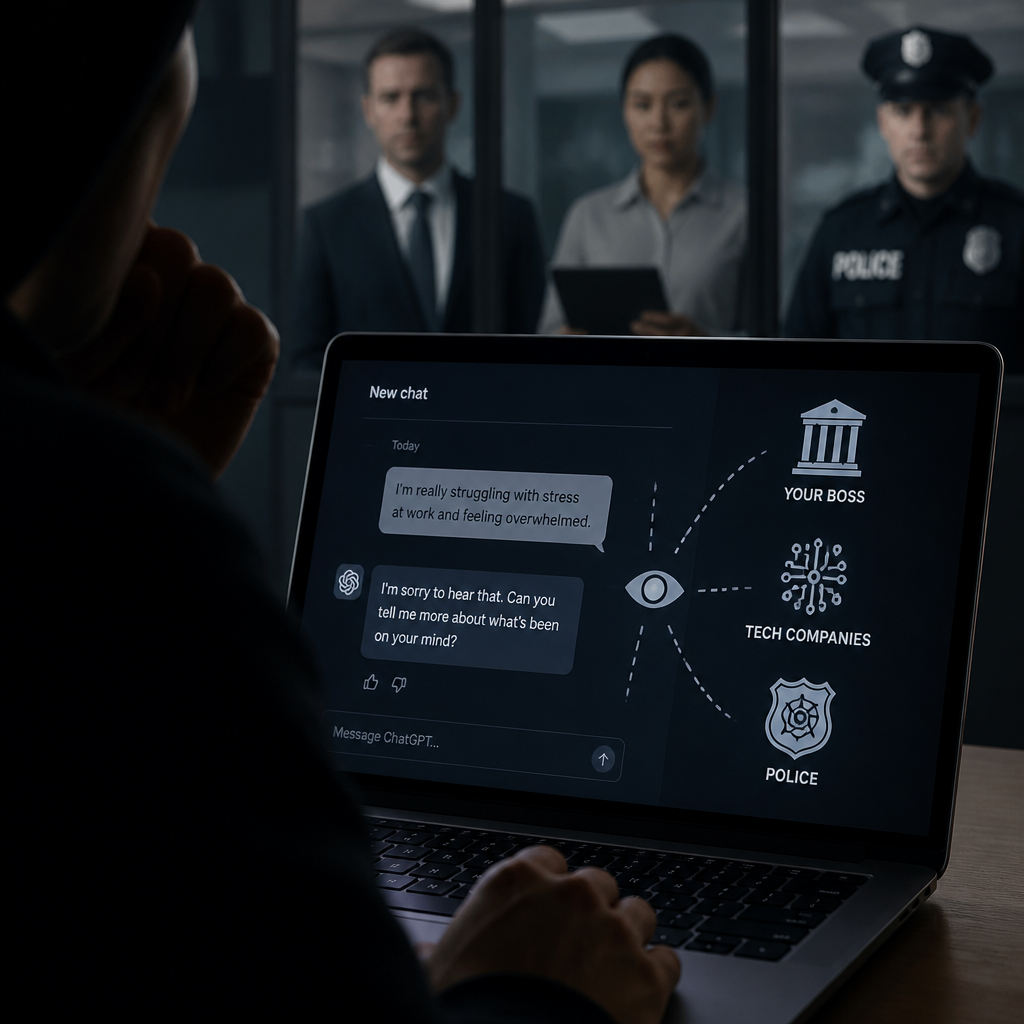
The Unseen Eyes: Who’s Really Reading Your Chatbot Conversations?
Imagine starting a conversation with your favorite chatbot app, believing it’s private. Now, what if I told you it’s not just the chatbot listening? This vulnerability reveals that companies and even authorities might be privy to your exchanges.
With chatbots becoming an essential part of daily communication, privacy concerns intensify. While they efficiently handle customer service, personal reminders, and even companionship, the flip side is who else has access to your intimate exchanges? This question beckons an exploration of data privacy and security that tech companies promise but often fail to deliver.

Understanding the Scope of Surveillance
It’s crucial to comprehend how chatbots function. They are designed to interact, learn, and provide solutions, often using vast data pools. However, these data storages are susceptible to external eyes.
Tech companies may have policies that allow them to oversee and analyze conversations for ‘improvement and quality control.’ But what does it mean for user privacy?
The Role of Corporations
Many technology giants implementing chatbots state they encrypt conversations, ensuring confidentiality. Yet, terms and conditions often disclose that they can access data during “routine maintenance” or “research activities.”
- Data sharing – Under what circumstances can data be shared with third parties?
- Internal access – How frequently is this data accessed by internal personnel?
- Enhancement purposes – Is data genuinely used for innovation, or is it a front for broader surveillance?
Law Enforcement and Legal Access
Another potential breacher of chatbot privacy is law enforcement. Depending on local jurisdiction laws, authorities might have the right to access your conversations stored on company servers.
With rising cybersecurity incidents, this access might appear justified, but it raises questions about the erosion of personal freedom.
Regulating Privacy – A Global Challenge
Authorities and companies often balance collaboration and autonomy, which influences how user data is protected or shared. This dynamic is vividly impacted by varying privacy regulations across different regions.
- GDPR in Europe – A stringent protocol offering firms limited scopes to poke into user data.
- California Privacy Act – An advancing legal structure aiming for more transparent data usage.
- Asian Regulations – A mix of lenient and strict policies varying across countries.
Protecting Yourself: Awareness and Action
Beyond governmental and corporate actions, individuals must proactively secure their chatbot interactions. Awareness of one’s digital footprint is more critical than ever.
There are straightforward strategies to enhance your privacy while enjoying the technological benefits of chatbots.
Practical Tips to Reduce Exposure
While complete privacy in the digital age may be elusive, users can take measures to safeguard their interactions.
- Review privacy policies – Always stay informed about how your data is handled.
- Utilize encrypted messengers – Choose chat services known for robust encryption.
- Limit sharing – Be selective about the information you disclose during interactions.
Conclusion
The dance between convenience and privacy in digital communications is intricate. As enticing as chatbots are, understanding who else might be listening is vital for maintaining control over our digital personas.
With technology evolving rapidly, it’s imperative for users to remain vigilant, questioning and challenging how their data is handled—because those seemingly harmless chatbot interactions might not be as private as you think.