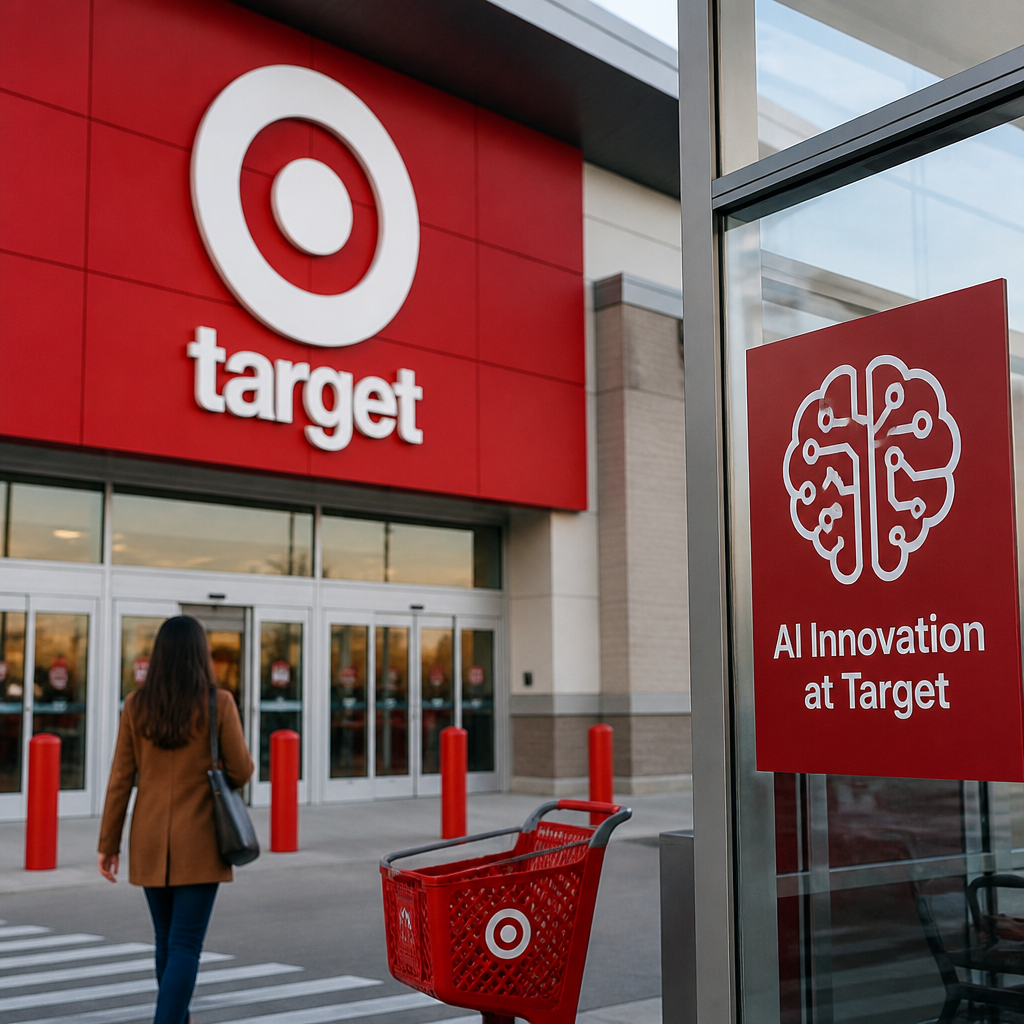
In a move that underscores the rapid technological evolution within the retail sector, Target has appointed its first-ever Chief AI Officer. This strategic decision reflects a broader trend as retailers seek to integrate artificial intelligence into their business models to drive efficiency and enhance customer experiences.
Target’s announcement marks a significant shift in how major retailers perceive and utilize AI. No longer a mere tool for automation, AI is now envisioned as a central strategy for innovation, offering competitive edges and reshaping consumer interactions.

The Role of a Chief AI Officer
Appointing a Chief AI Officer showcases a company’s commitment to embedding AI at the core of its operations. This role involves not only overseeing the development and deployment of AI technologies but also aligning these efforts with the company’s strategic goals and ethical guidelines.
The Chief AI Officer’s vision shapes the integration of AI across various functions, from supply chain optimization to personalized marketing strategies. Their leadership ensures that AI initiatives drive not just operational efficiency but also sustainable growth and enhanced customer engagement.
Key Responsibilities
- Developing AI strategies aligned with business goals
- Overseeing AI projects and technological advancements
- Ensuring ethical AI practices and data privacy
- Driving innovation across departments
AI’s Growing Influence in Retail
The retail industry has been increasingly adopting AI to streamline operations and enhance the shopping experience. From personalized recommendations to inventory management, AI’s applications are vast and impactful.
Retailers embracing AI are seeing tangible benefits, such as increased customer satisfaction, optimized logistics, and more efficient marketing efforts. However, the journey to AI transformation is fraught with challenges, including data quality issues and the need for skilled talent.
Popular AI Applications in Retail
- Personalized shopping experiences
- Automated customer service
- Inventory and supply chain optimization
- Predictive analytics for trends
These applications are transforming how retailers understand and interact with their customers, offering insights that were previously inaccessible.
Challenges in AI Integration
While the potential benefits of AI in retail are significant, so too are the challenges of integration. Ensuring data accuracy and integrity remains a crucial concern, as AI-driven decisions are only as good as the data they are based on.
Additionally, retailers must navigate the complexities of customer data privacy and the ethical use of AI technologies. Recruiting and retaining skilled AI professionals is another critical hurdle, as the demand for such expertise outstrips supply.
Overcoming Integration Challenges
Retailers can overcome these challenges by fostering a culture of innovation and continuous learning. Investing in AI education and training for employees helps bridge the knowledge gap.
- Establishing clear data governance policies
- Focusing on ethical AI practices
- Collaborating with AI technology providers
- Building a diverse and skilled AI team
The Future of AI in Retail
As AI continues to evolve, its role in retail will only grow more prominent. From enhancing customer experiences to redefining operational efficiencies, AI’s transformative impact is poised to redefine the landscape of retail.
In the future, we can expect even more personalized shopping experiences driven by AI, with smarter supply chains and innovative marketing strategies that cater to individual consumer needs.
Projected Trends
The coming years will likely see a proliferation of AI applications tailored to specific retail segments. For example, the use of AI in fashion forecasting or grocery automation could become commonplace, revolutionizing niche markets.
| AI Application | Expected Trend |
|---|---|
| Personalization | More targeted and customized offers |
| Supply Chain | Real-time tracking and predictive analytics |
| Customer Service | Greater reliance on virtual assistants |
| Data Privacy | Increased focus on ethical AI practices |
As these trends unfold, retailers that successfully harness the power of AI will likely emerge as leaders in the industry, setting new standards for consumer experience and operational excellence.