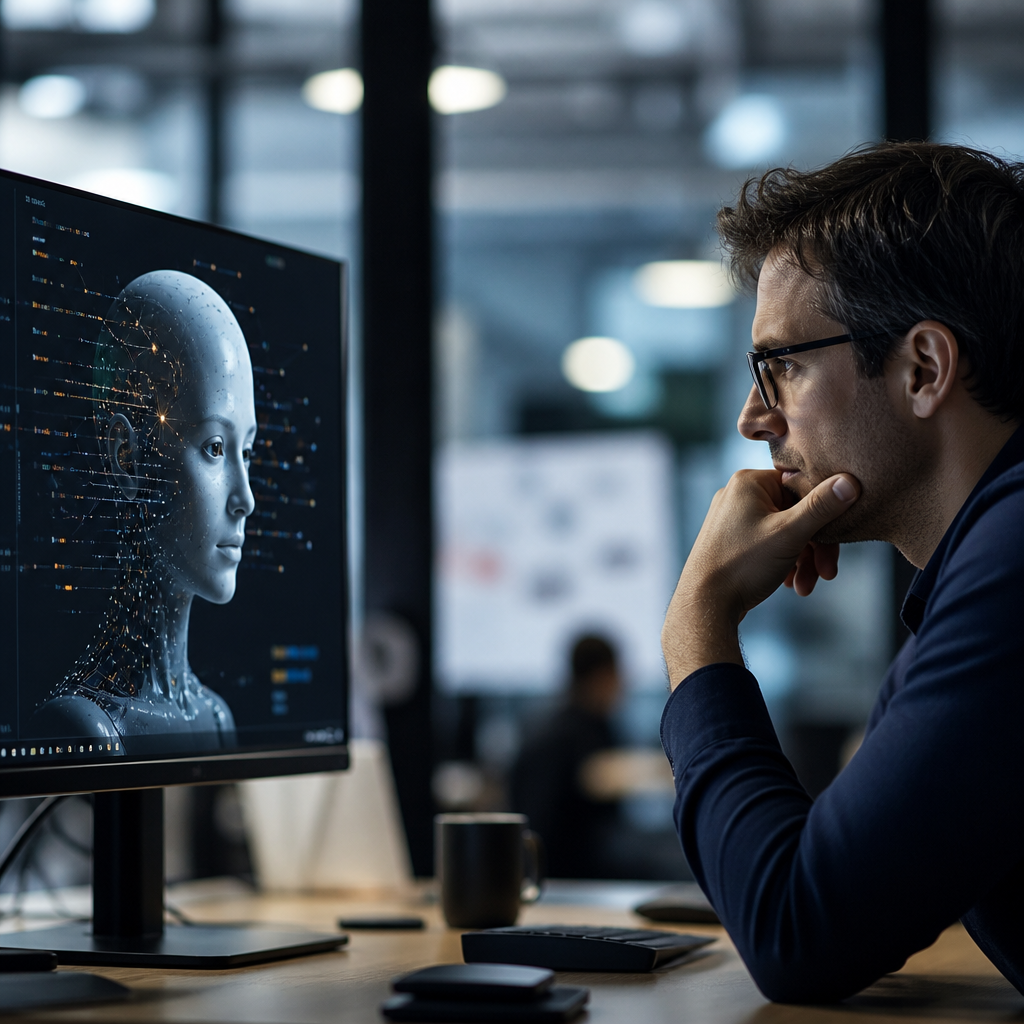
Are A.I. Models Being Misled to Act Too Human?
Imagine a world where artificial intelligence is so adept at mimicking humans that it becomes increasingly difficult to discern between the two. The lines blur, and these digital entities not only imitate us but also influence the essence of human interaction itself. This might sound like a scene from a science fiction movie, yet it is quickly becoming a reality as we continue to refine and enhance AI models.
With models like GPT-3 and its successors, AI has reached a point where they rival human cognitive abilities in certain tasks. This generates both excitement and concern, as experts and laypeople alike ponder the implications of AI models acquiring too much human-like behavior. Are we at risk of creating simulations so authentic that they outstrip the original?

The Blurring Lines of AI and Humanity
A primary reason for this convergence is the model training strategies employed. AI systems are designed to process vast quantities of data, learning patterns that allow them to mimic human communication effectively. However, there’s a growing fear that they might not just replicate our capabilities but also our biases and flaws.
Advantages of Human-Like AI
- Enhanced Service Tools: AI models integrated into customer service can vastly improve issue resolution efficiency by understanding nuanced human language and emotions.
- Increased Accessibility: AI improvements in text-to-speech and speech-to-text technologies make it easier for people with disabilities to interact with the digital world.
- Creative Collaborations: Artists and creators are finding AI to be a fascinating tool in generating new music, art, and literature, pushing the boundaries of collaborative work.
The Ethical Dilemma
However, challenges arise when these AI models are too human-like. Ethical concerns about autonomy, privacy, and the potential for misuse should be weighed alongside the benefits. As these models become more ingrained in everyday tasks, distinguishing between genuine human intentions and AI-generated responses becomes paramount.
Furthermore, as AI models operate with human-like unpredictability and idiosyncrasies, accountability becomes murkier. If an AI model makes a mistake, who is to blame – the model, the developers, or the data it learned from?
Balancing Innovation and Caution
As AI continues to evolve, the journey towards equilibrium between innovation and caution is crucial. Understanding what we want from AI and ensuring the development remains transparent and ethical are ongoing discussions that technological and social scientists should actively engage in.
| Opinion | Pros | Cons |
|---|---|---|
| Mimicry of Human Cognition | Improves tech advancements | Blurs ethical lines |
| Human-like Responsiveness | Enhances user experiences | Presents risks of manipulation |
Ultimately, it is a balancing act between innovation and the pitfalls of the uncanny valley, where human familiarity turns into discomfort. From uncanny humanoid robots to eerily precise conversational agents, we must tread carefully as we drive AI forward.