California’s AI Legislation: Pioneering the Future of Employment
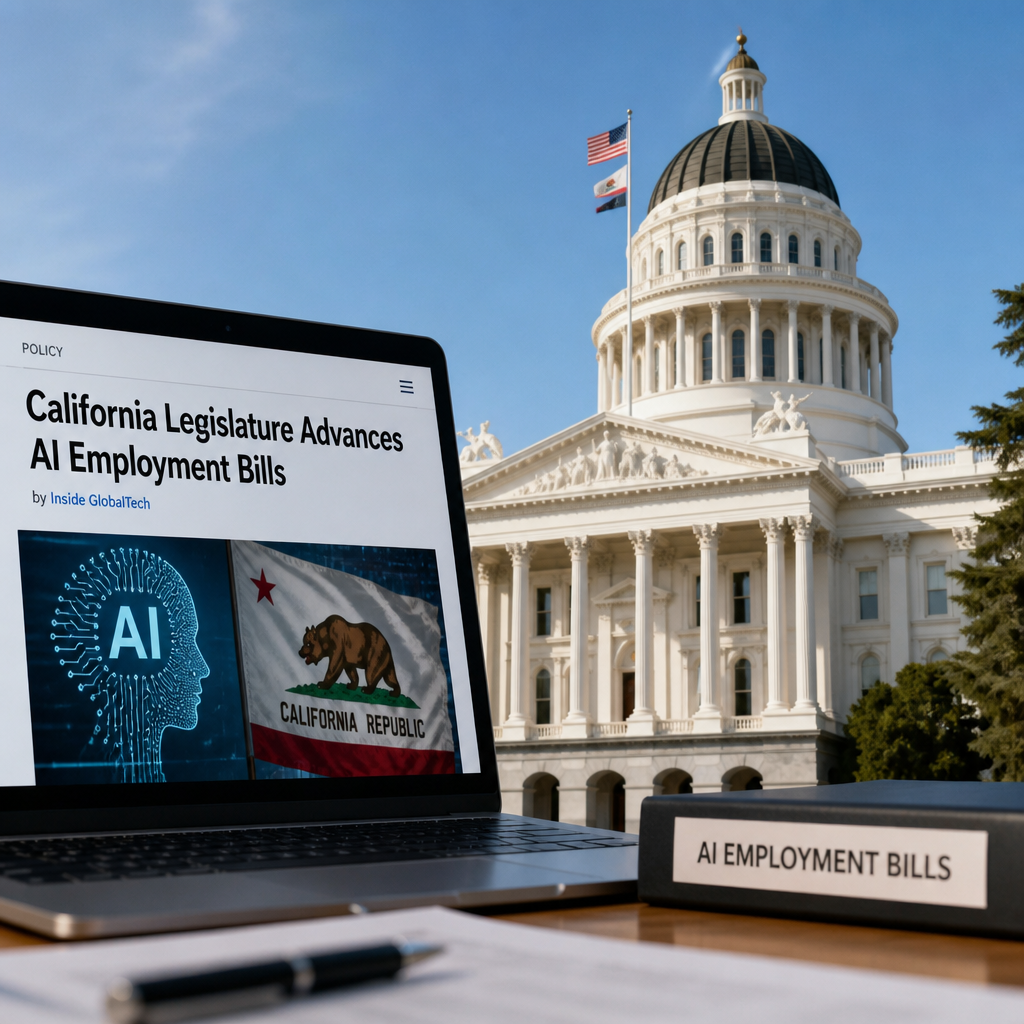
In a landmark move, California is setting the stage for a new era of employment law as it advances several AI-related bills. These legislative measures aim to address the growing influence of artificial intelligence in the workplace, focusing on transparency, fairness, and accountability.
With AI becoming an integral part of business operations across various sectors, the California Legislature’s initiative is crucial. As companies increasingly rely on these technologies for hiring, management, and productivity, understanding the implications of these bills is vital for employers and employees alike.

The Need for AI Legislation in Employment
The rise of AI in the workplace has led to numerous benefits but also serious concerns. Automation and AI-driven tools are revolutionizing how businesses operate. However, they pose significant challenges in terms of bias, transparency, and ethics.
California’s efforts are a response to these challenges, aiming to ensure that AI applications in employment processes are fair and transparent. By setting regulatory standards, the state hopes to lead by example in managing AI’s impact on employment.
Key Elements of the AI Employment Bills
- Transparency Requirements: Employers using AI must disclose its role in hiring processes.
- Fairness Protocols: The bills aim to eliminate biases from AI algorithms.
- Accountability Measures: Clear guidelines are established to hold companies accountable for AI-related decisions.
Impact on Employers and Employees
These legislative measures will have a profound impact on both employers and employees. For employers, compliance will require a deep understanding of AI technologies and their application in human resources.
Employees stand to benefit from increased transparency regarding how AI affects their job prospects and career advancement. Awareness of AI’s role can foster trust and a sense of fairness in the workplace.
Challenges and Opportunities
While the benefits are clear, implementing these bills presents challenges. Companies may need to invest in new tools and training to comply with the legislation.
However, this also presents opportunities for innovation and improvement in AI technologies. By emphasizing fairness and accountability, California could spur advancements that enhance both productivity and ethical standards in AI.
A Comparative Look: AI Legislation Beyond California
As California takes these bold steps, it’s instructive to consider how other regions are addressing AI in employment. Many states are watching closely as they ponder similar legislative actions.
Globally, countries are grappling with similar issues, with distinct approaches tailored to their unique regulatory environments. Comparing these efforts can provide insights into best practices and potential pitfalls.
| Region | AI Employment Legislation Focus |
|---|---|
| California | Transparency, Fairness, Accountability |
| European Union | Data Protection, Privacy, Ethics |
| Japan | Productivity Enhancement, Workforce Integration |
The Road Ahead
The passage of AI employment bills is just the beginning. As technology continues to evolve, so too will the need for responsive and adaptive legislation.
California’s forward-thinking approach sets a precedent. As these laws take shape, they could serve as a model for other regions looking to balance innovation with ethical considerations in AI.