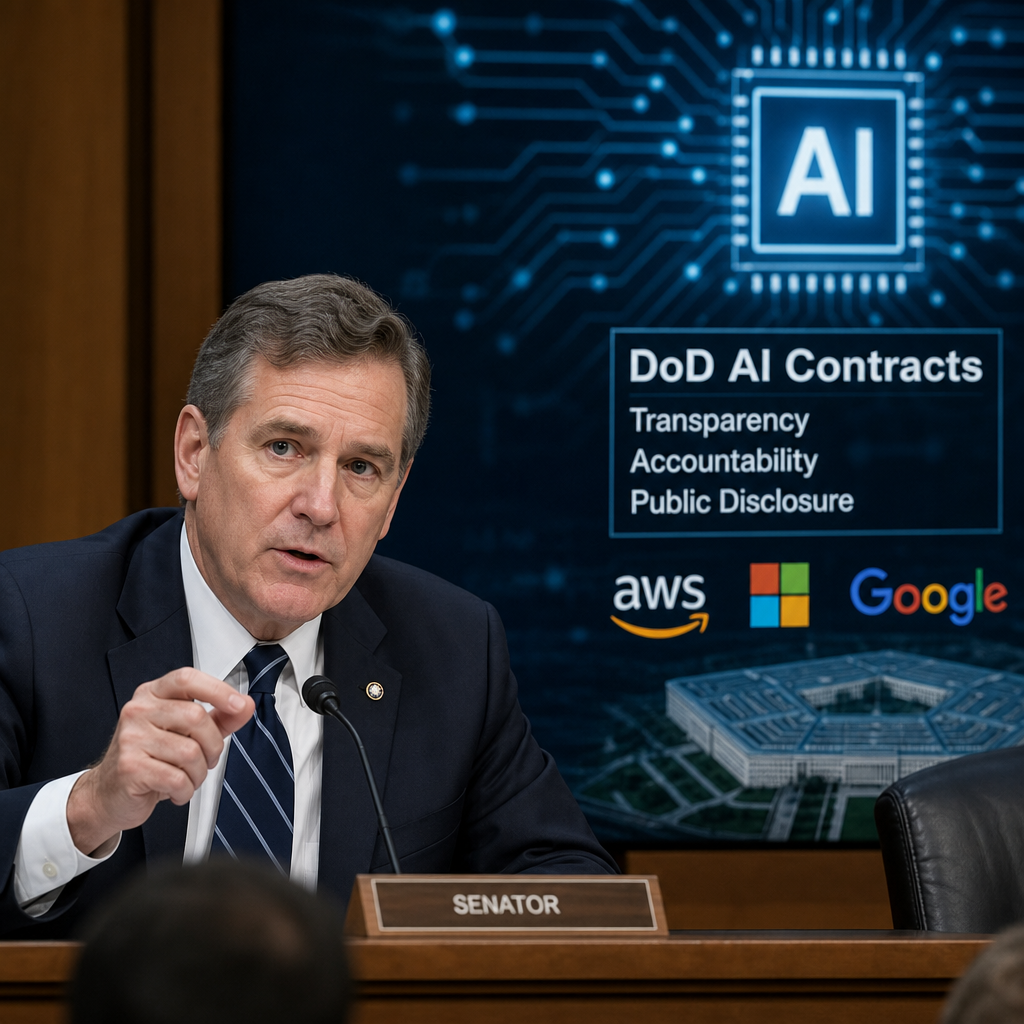
The Path to Tech Safety: Insight from an AI Expert
Startling news or groundbreaking breakthrough, the world of artificial intelligence is never short of headlines. Recently, CBS News brought to the stage an AI expert discussing an issue that is paramount to our digital era: safety and security in technology.
As AI continues to evolve, questions about its safe deployment and security implications remain critical. This discussion isn’t just for tech enthusiasts but for anyone who interacts with technology daily. Let’s delve deeper into this growing concern and explore possible paths forward.

Understanding the Current Landscape of AI Safety
The integration of AI into daily life has prompted both excitement and concern. The potential benefits are immense, yet so are the risks if not managed responsibly.
Concerns around AI safety revolve around data privacy, ethical use, and preventing misuse by malicious actors. As technology becomes more sophisticated, so do the challenges of securing it effectively.
The Risks of Unchecked AI Development
- Data Privacy: Personal data misuse and breaches can occur if AI systems are not properly secured.
- Ethical Implications: Decision-making without human oversight can lead to unintended bias and discrimination.
- Security Threats: AI could be commandeered for cyberattacks or other malicious activities.
The Need for Robust AI Governance
- Regulatory Frameworks: Establishing comprehensive regulations to ensure AI is developed and used ethically.
- Collaborative Efforts: Encouraging cooperation between nations and organizations to standardize safety protocols.
- Public Awareness: Educating users about potential risks and safe practices in AI technology.
Promising Strategies for Enhancing Tech Safety
Investing in AI safety is not just a moral imperative but a necessary step toward sustainable technological progress. Here are some approaches experts advocate for enhancing tech safety:
Enhanced Testing and Validation Processes
Before AI systems are deployed, they should undergo rigorous testing to ensure they perform as expected under various conditions. Validation procedures can identify vulnerabilities or biases that might pose risks later on.
AI Safety Audits
Regular audits by independent bodies can help ensure that AI remains aligned with safety standards and ethical guidelines. This can increase transparency and trust among users and developers alike.
Table: AI Safety Strategies and Their Benefits
| Strategy | Benefit |
|---|---|
| Testing and Validation | Reduces the likelihood of unforeseen failures and biases. |
| Independent Audits | Ensures compliance with safety and ethical guidelines. |
| Public Awareness Campaigns | Increases user knowledge and promotes responsible use of AI. |
The Role of Education and Awareness
Education plays a critical role in the safe advancement of AI. By equipping users with knowledge and skills, they can make informed decisions about technology use.
Educational programs should focus on understanding the potentials and pitfalls of AI, promoting a culture of security-conscious innovation.
Conclusion: Paving the Way Toward a Secure AI Future
AI holds the key to future innovation, but it must be approached with caution and responsibility. By prioritizing safety and security, we can unlock its full potential without compromising on trust and ethics.
The road to tech safety is long, but with deliberate and collective efforts, it is a journey we can navigate successfully.